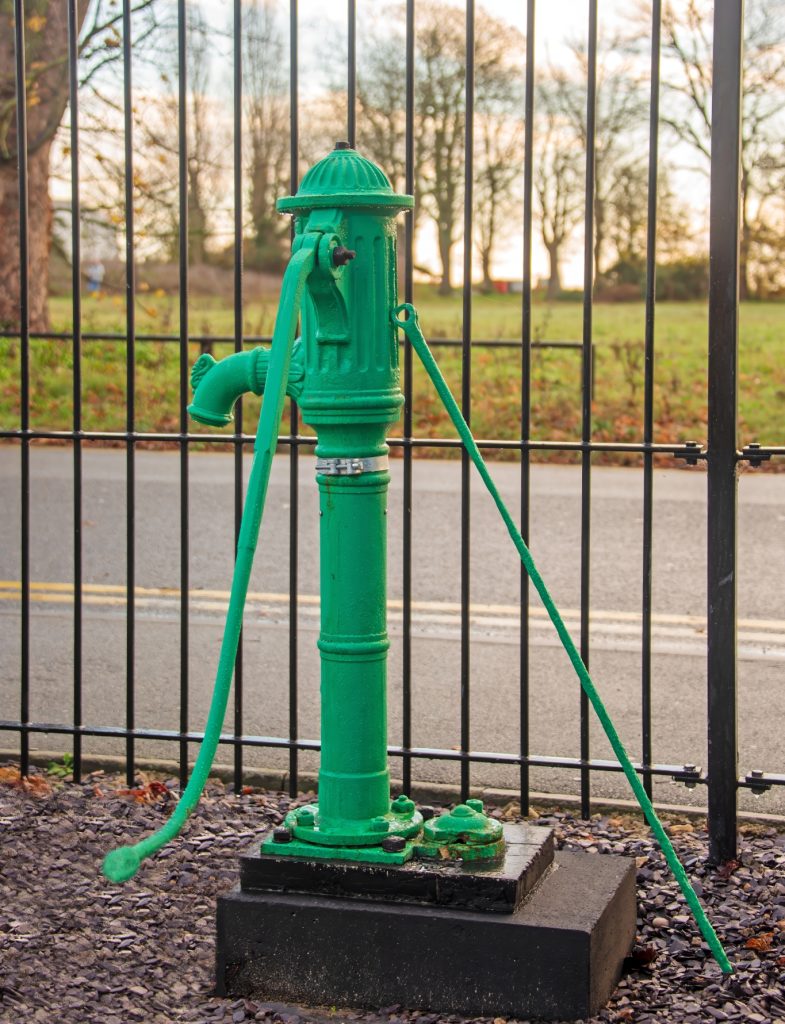
This hand-operated water pump, dating from the 19th century, was a critical fixture at the Shoebury Garrison and was originally located near the West Gate. Established during Queen Victoria’s reign, the Garrison played a pivotal role in testing new military technologies. In this setting, practical innovations like the hand pump were indispensable, providing clean water not just for soldiers but also for horses and the surrounding civilian population.
Cast iron dependability
The pump is, like the frame of the Cart and Wagon Shed itself, made from cast iron. Originally invented in China 2,800 years ago, the production and use of cast iron soared during the industrial revolution as the result of technical innovations and steam-powered bellows.
The pump was operated by hand with a manual lever that activated a piston inside the cylinder, drawing water from underground wells. The water would then flow through a spout, ready for drinking, cooking, bathing, and cleaning. The importance of this pump went beyond basic human needs; it was essential for the maintenance and well-being of the horses stationed at the Garrison. These horses, critical to military operations, needed regular access to fresh water to remain healthy and perform their duties effectively. In a time before motorised transport, horses were relied upon for transportation, artillery movement, and cavalry operations, making their care a top priority.
Essential sanitation
In addition to serving the horses, the pump played a key role in maintaining sanitation throughout the Garrison. In a military environment where cleanliness was directly linked to health and combat readiness, access to clean water was vital. It helped prevent the spread of disease and supported proper hygiene for the troops, which was especially important in the cramped and often unsanitary conditions of garrison life. The pump’s role in providing a reliable water source was essential for both soldiers and the civilian community that grew around the military complex, as it ensured a steady supply of water for cooking, washing and other essential activities.
The strategically important Shoebury Garrison relied heavily on these pumps to maintain not only the daily needs of the soldiers but also the logistics and maintenance of artillery and engineering projects. Located near the West Gate, this pump would have served both the military personnel and the increasing civilian population, meeting the demands of a growing garrison town.
During the 19th century, as both military and civilian populations expanded, the development of reliable water pumps marked a significant step forward in public health and convenience. Although the design of the pump was relatively simple, its impact was profound, providing an essential resource in an era when access to clean water was far from guaranteed.
Recovery and restoration
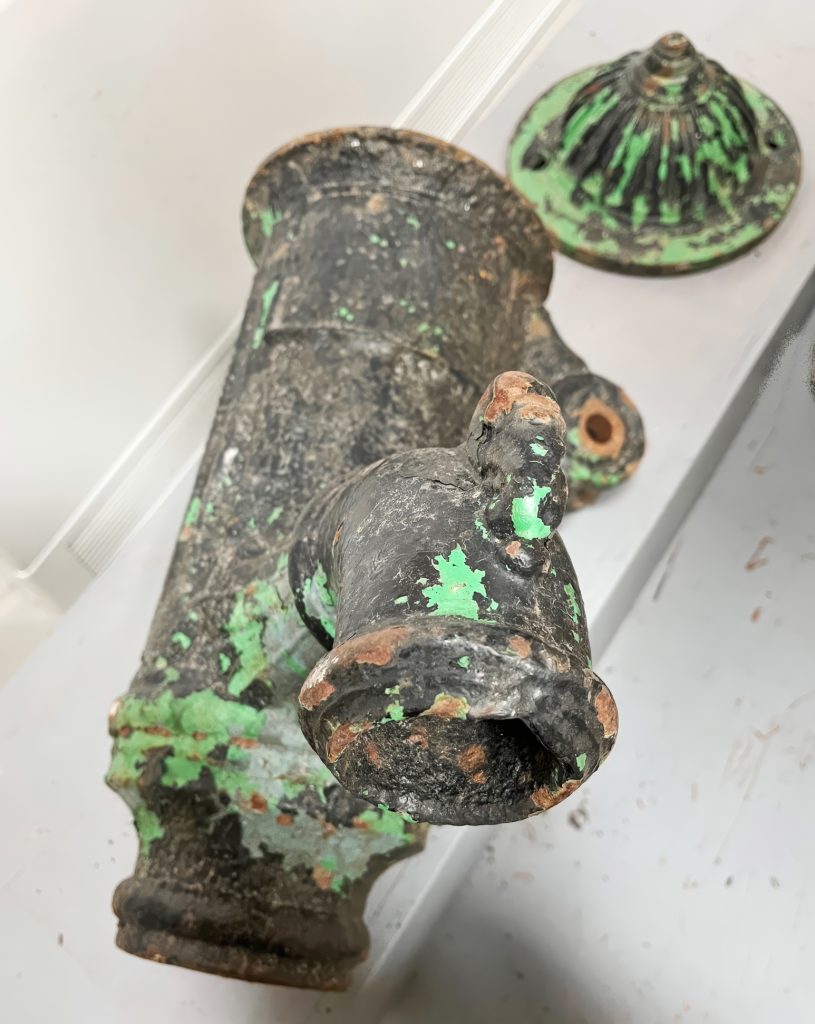
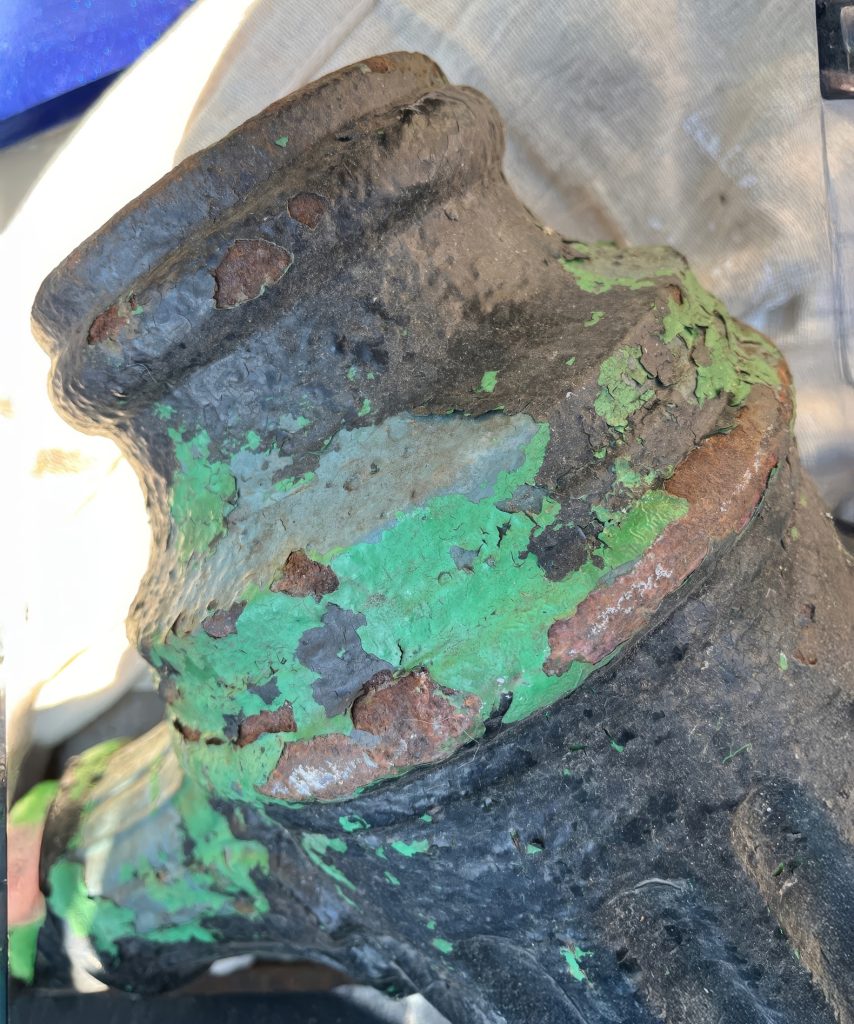
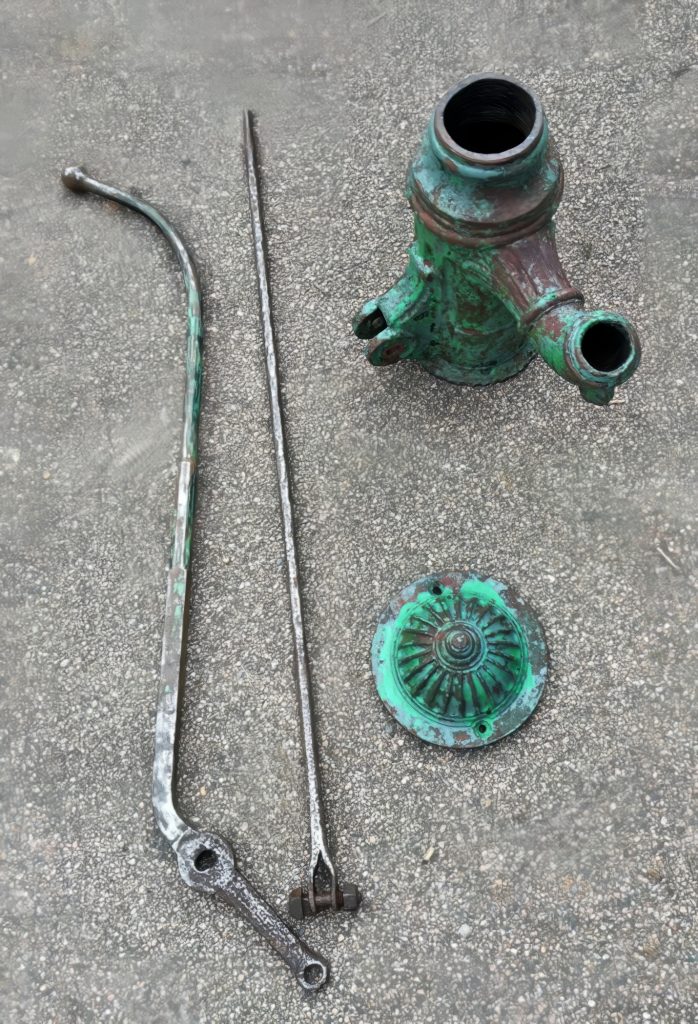
This original 19th-century water pump was uncovered during garden works in the Garrison, its cast iron having been long buried and forgotten beneath the soil. Once recovered, the pump underwent expert chemical stripping by Hockley Enterprises (Essex) Ltd, carried out at no charge as a valued community project. Their work revealed the original iron surface and allowed the pump’s historic features to be fully appreciated.
Research into period finishes identified the appropriate paint colour as British Standard Emerald Green, a shade commonly used on functional municipal ironwork of the era. With this guidance, the pump was then carefully restored to its present condition by local resident Barrie Daykin, who has preserved both its character and its connection to the area’s heritage.
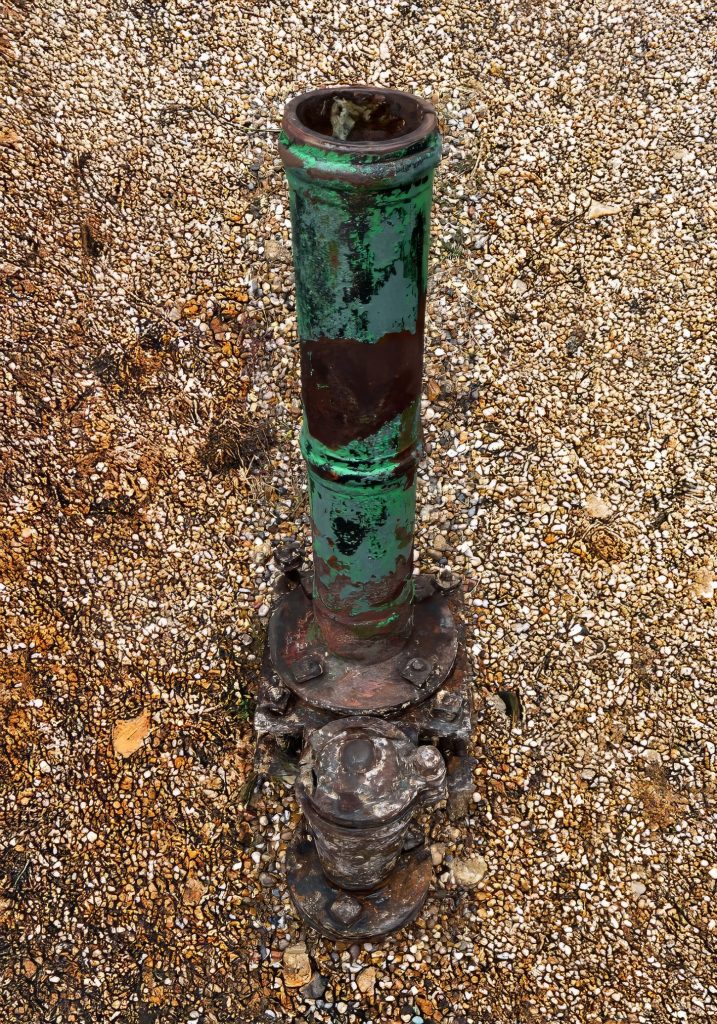
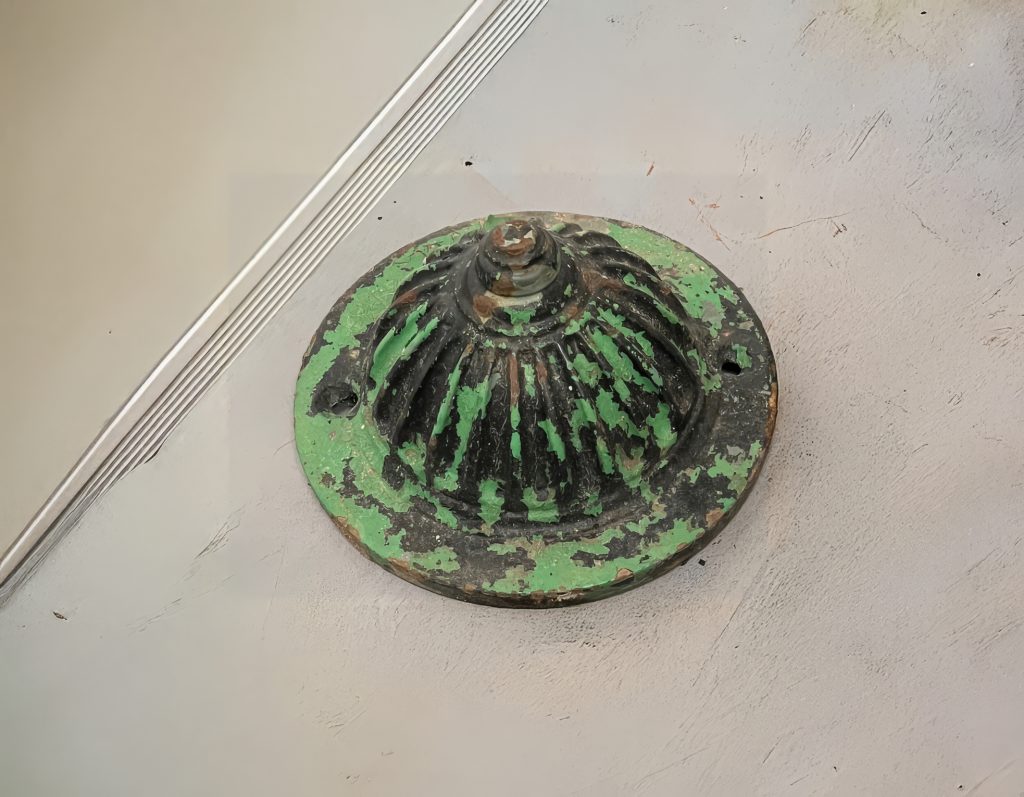
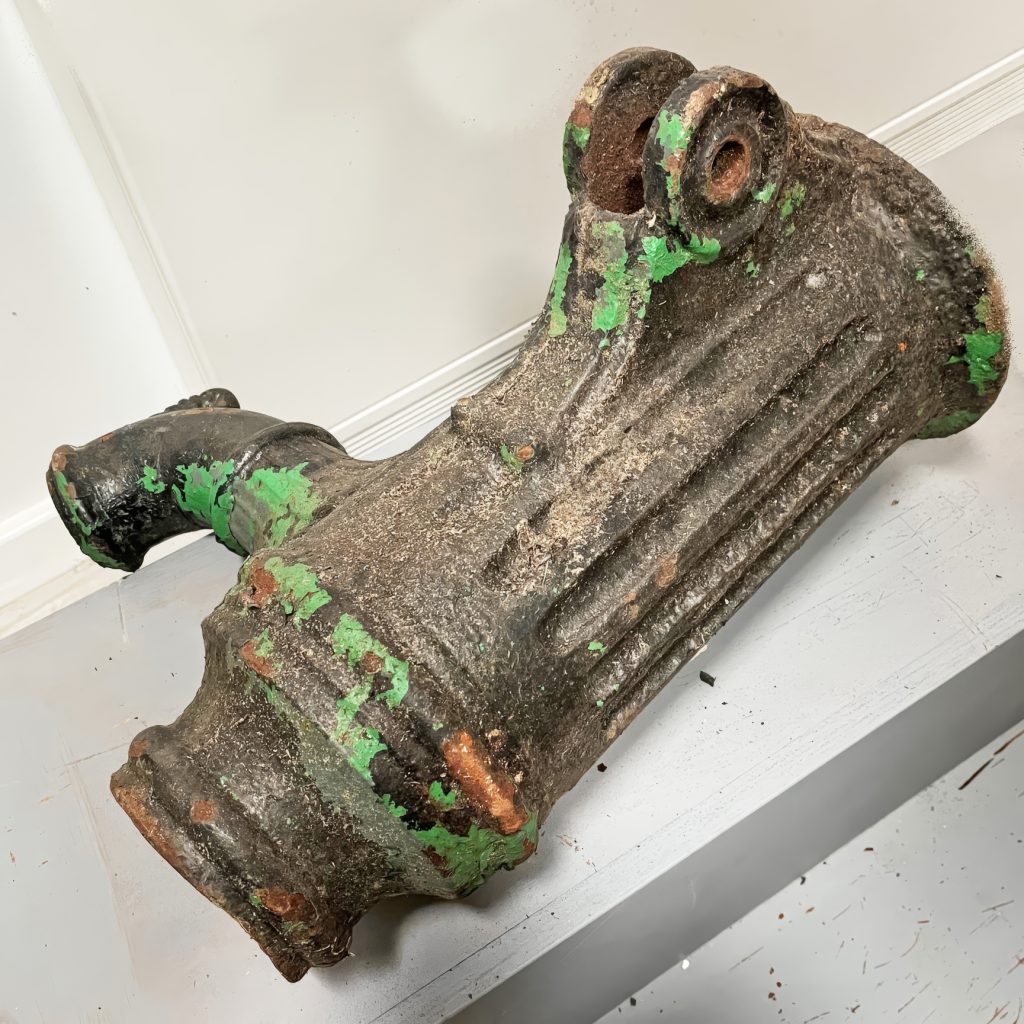
The images below capture the pump’s condition as it was re-discovered under a garden on the Garrison. Showing the various parts in their pre-restoration timeworn state, they serve as a poignant starting point for the meticulous restoration process that followed as well as a glimpse into the pump’s storied past.
The Shoebury Garrison, with its crucial role in Britain’s technological advancement, benefited immensely from this practical innovation. The hand-operated water pump stands as a lasting testament to both everyday life in the Garrison during the 19th century and the collaborative community craftsmanship that has restored it so finely.